 Business · News 61

Anthropic filed to go public on October 26, and a valuation near $2 trillion would equal more than half the market capitalization of companies in South Korea's benchmark KOSPI index. When Anthropic filed its S-1 with the Securities and Exchange Commission, the number that stuck wasn't the revenue or the losses. It was the rumored ceiling, with reports suggesting the company could raise as much as $100 billion at a valuation of up to $2 trillion.
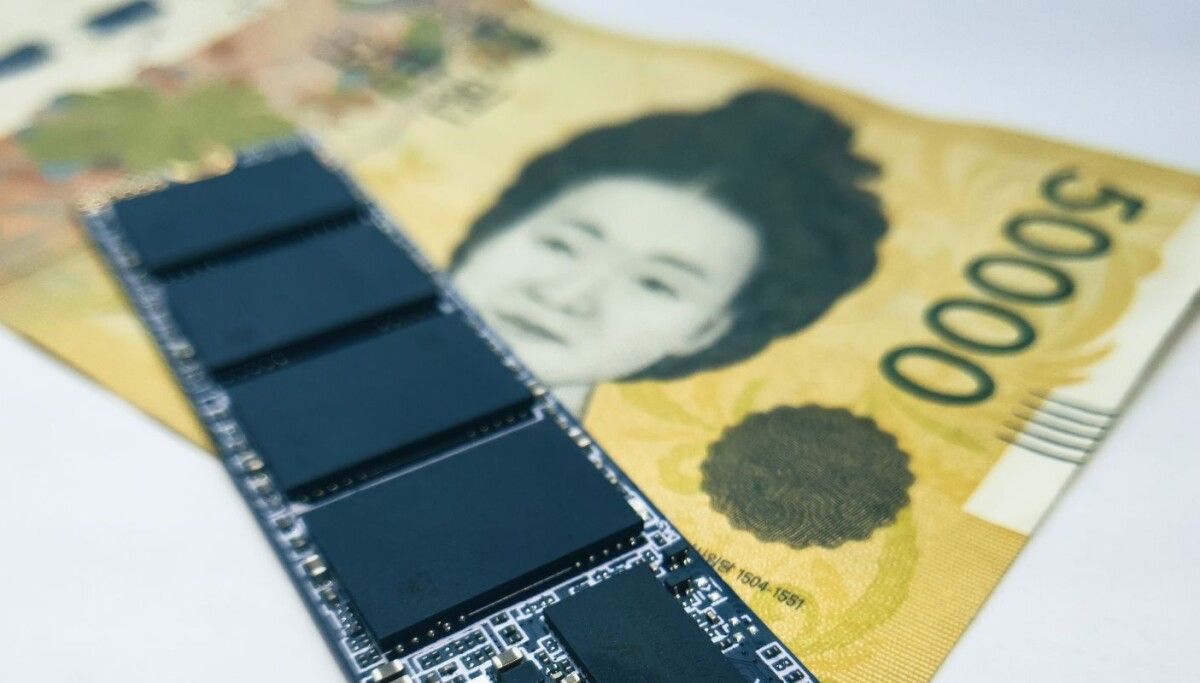
South Korea's benchmark KOSPI index had a combined market capitalization of roughly $3.5 trillion in October. Anthropic's rumored price tag would therefore equal more than half the value of the index's constituent companies, not exceed their combined value. The AI startup filed to list on the Nasdaq under the ticker ANT.
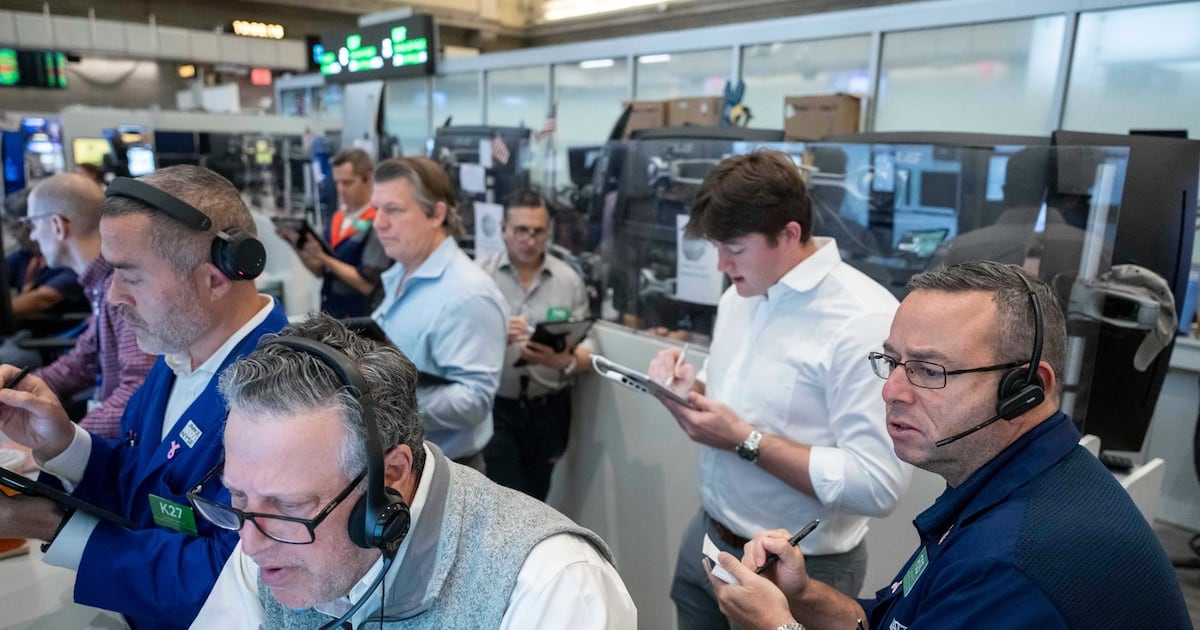
You don't need to squint to see why that comparison landed hard in Seoul. The KOSPI itself jumped more than 3% on October 27, the day after Anthropic's filing became public, closing at 5,638.34, a 3.09% gain, as Samsung Electronics and SK Hynix rallied on hopes that AI spending keeps flowing to Korean chipmakers. The market didn't treat Anthropic's filing as a threat.
It treated it as fuel. That's the strange double life of this valuation: scary when you set it beside a national economy, bullish when you set it beside the semiconductor supply chain that feeds it. Anthropic's path to a trillion-dollar-plus valuation has been fast even by AI standards.
The company raised $30 billion in a Series G round in February 2026 at a $380 billion valuation, then followed with a $65 billion Series H in May at $965 billion, a number that put it ahead of OpenAI's $852 billion valuation from that March, according to Bloomberg Law's reporting at the time. Doubling again to $2 trillion in under six months would be a dramatic jump. Anthropic reported $16.29 billion in revenue and a net loss of $80.75 billion for the first half of 2026, according to its S-1.
That loss included a $72.4 billion accounting charge tied largely to changes in the value of financing instruments, while annualized compute costs were about $17.9 billion. Those are wartime numbers for an AI lab racing to build infrastructure before the model it's selling becomes a commodity. Goldman Sachs, JPMorgan and Morgan Stanley are leading the offering, with Wilson Sonsini as legal counsel, and IPO professionals following the deal expect pricing within about three weeks of the filing, a fast timeline by Wall Street standards.
If the $2 trillion figure holds, Anthropic would surpass SpaceX's $1.77 trillion valuation from its June listing, making it the largest IPO in history. The textbook discounted cash flow sums don't get you to $2 trillion for Anthropic. Public markets don't price AI labs that way right now, and nobody pretends otherwise.
What the Chosun Ilbo comparison does is strip away the abstraction and put the number next to something a reader can actually picture: an entire country's worth of listed companies, from Samsung to Hyundai to every bank and shipbuilder on the exchange, versus one five-year-old company that has never turned a profit. Frankly, that's the bubble conversation in a single image. This week instead brought a rebound in semiconductor shares after Anthropic's filing, while Broadcom rose after announcing a financing deal intended to give Anthropic access to its AI accelerators and networking technology.
Anthropic's number doesn't resolve that argument either way. It just makes the scale of the bet impossible to ignore. Whether $2 trillion turns out to be a landmark or a warning sign will depend on what happens after the stock starts trading under ANT, not on anything in the filing itself.
Also read: Broadcom tells investors not to trust its own $73 billion AI backlog • OpenAI Will Make ChatGPT Work and Codex Share One Usage Pool in December • Etsy Bans AI-Generated Listings but Sellers Say It Still Isn't Working This article is posted in AI News , check it out for more related stories.
Source: Startup Fortune