 Business · News 61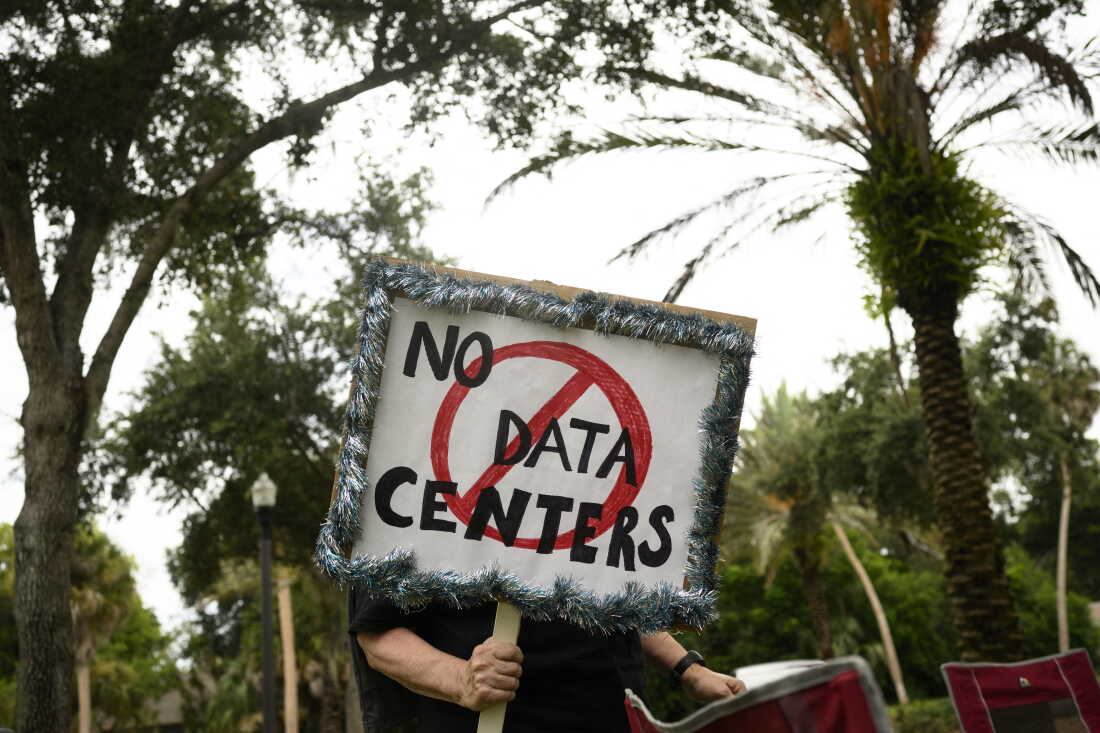
Campaign ads airing across the U.S. from Georgia to Iowa highlight data centers as a shared concern for both Republicans and Democrats. Since January, political campaigns and outside groups have spent over $45 million on ads mentioning data centers in gubernatorial, House, and Senate races. Both parties argue that sprawling data centers receive excessive tax breaks, drive up electricity costs, and need regulatory oversight.
The ads reflect bipartisan anxiety: a June Reuters/Ipsos poll found that 77% of Americans are concerned about rising electricity costs from data centers, with two-thirds of Democrats and half of Republicans opposing new facilities in their communities. Michael Franz, co-director of the Wesleyan Media Project, notes that data centers provide talking points for both sides—Democrats emphasize environmental concerns, while Republicans use them to criticize corporate influence.
In Georgia, Republican Lt. Gov. Burt Jones faced criticism in ads for allegedly benefiting from data center tax breaks, while Ohio’s Democratic nominee Sherrod Brown accused Republican Sen. Jon Husted of favoring corporate tax breaks. The issue has gained traction in competitive races like Wisconsin and Michigan, with spending peaking in August as the midterms approach.
Experts like Darrell M. West of the Brookings Institution highlight that governors face pressure to curb new data centers due to public opposition, despite federal limitations on permitting. Texas’s Democratic nominee James Talarico has called for federal intervention, while Republican incumbents now oppose data centers to align with voter concerns, contrasting with President Trump’s pro-data center stance.
The convergence around affordability and utility costs unites both parties, with ads promising to lower costs and protect communities from rising energy bills.
Source: NPR